
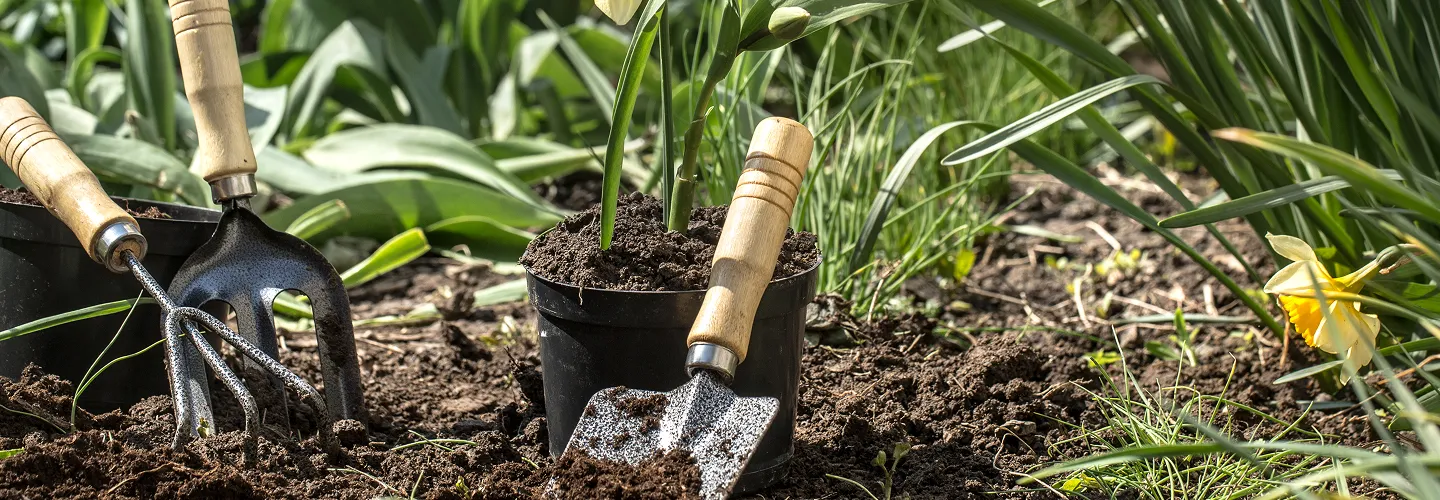
Jarrell Fertilizing Lawn Services
Choose our expert fertilizing lawn services for lush, healthy grass that stands out in your neighborhood—our tailored treatments ensure your lawn gets the nutrients it needs for vibrant growth and long-lasting beauty.
Get a Free QuoteOur Jarrell Landscaping & Yard Care Services
When to Schedule Fertilizing Lawn in Jarrell, Texas – Seasonal Guide
In Jarrell, Texas, timing your lawn fertilization is crucial for achieving a lush, healthy yard that thrives in our unique Central Texas climate. The best periods for fertilizing are typically early spring and early fall, when soil temperatures are optimal for nutrient uptake and grass growth. Jarrell’s weather patterns—marked by hot, dry summers and mild winters—mean that fertilizing too early or too late can lead to wasted product or even damage to your lawn. Neighborhoods near Jarrell High School and the Sonterra subdivision often experience microclimates due to varying shade coverage and soil types, so it’s important to tailor your fertilization schedule accordingly.
Local environmental factors such as late spring frost dates, periods of drought, and the region’s clay-heavy soils all play a role in determining the best time to fertilize. Areas with dense tree coverage, like those near County Road 305, may require different timing compared to open, sun-exposed lawns. Additionally, be mindful of any municipal guidelines or restrictions that could impact when and how you apply lawn treatments.
Local Factors to Consider for Fertilizing Lawn in Jarrell
- Tree density and shade coverage
- Soil composition (clay, loam, or sandy soils)
- Recent precipitation and drought risk
- Frost dates and seasonal temperature shifts
- Terrain and drainage patterns
- Municipal restrictions or watering schedules
Benefits of Fertilizing Lawn in Jarrell
Healthier, Greener Lawns
Improved Weed Resistance
Enhanced Soil Nutrients
Stronger Root Development
Increased Lawn Longevity
Boosted Curb Appeal
Jarrell Fertilizing Lawn Types

Warm-Season Grass Fertilization
Specialized fertilization plans for Bermuda, Zoysia, and St. Augustine lawns.
-
Cool-Season Grass Fertilization
Tailored nutrient programs for Fescue, Ryegrass, and Bluegrass lawns.
-
Organic Lawn Fertilization
Eco-friendly solutions using natural fertilizers for healthy, sustainable lawns.
-
Weed and Feed Treatments
Combined fertilization and weed control for lush, weed-free lawns.
-
Starter Fertilization for New Lawns
Nutrient-rich blends to promote strong root development in newly seeded or sodded lawns.
-
Seasonal Fertilization Programs
Customized fertilization schedules to match the changing needs of your lawn throughout the year.
Our Fertilizing Lawn Process
Soil Analysis
Fertilizer Selection
Application Scheduling
Even Fertilizer Distribution
Post-Application Inspection
Why Choose Jarrell Landscape Services
-
Jarrell Homeowners Trust Us
-
Expert Lawn Maintenance
-
Reliable Scheduling
-
Competitive Pricing
-
Professional Team
-
Satisfaction Guarantee
-
Personalized Service
Soil Series and Fertilizer Application Challenges in Jarrell’s Blackland Prairie
Jarrell’s predominant soils are Houston Black clay and Austin silty clay, both classified as Vertisols with high shrink-swell capacity and poor drainage. These soils typically have a pH range of 7.5-8.2, requiring careful fertilizer selection to avoid nutrient lockout. Soil compaction is common in developed areas, necessitating core aeration to a depth of 2-3 inches before fertilizer application. For optimal nutrient uptake, incorporate 2-3 inches of compost tilled to a 6-inch depth and consider lime only if pH falls below 6.5, which is rare locally. Soil testing is strongly recommended every 2-3 years, with services available through Texas A&M AgriLife Extension.
- Houston Black clay: high clay content, poor drainage
- Austin silty clay: moderate drainage, alkaline pH
- Compost incorporation: 2-3 inches, tilled to 6-inch depth
- Soil test cost: $15-25 via extension service
Seasonal Fertilization Timing for Jarrell’s Warm-Season Turfgrasses
Jarrell is located in USDA Hardiness Zone 8b, with a long growing season and hot summers. For warm-season grasses such as bermudagrass (Cynodon dactylon) and zoysiagrass (Zoysia japonica), the optimal fertilization windows are April 15–May 30 (soil temperature 65°F+) and again in late August–early September. Avoid fertilizing from June through August to reduce heat stress and prevent nutrient runoff during summer storms. Apply 2-3 lbs of nitrogen per 1,000 sq ft annually, split between spring and late summer. Monitor local weather conditions using the National Weather Service Austin/San Antonio Office.
- Spring fertilization: April 15–May 30
- Fall fertilization: August 20–September 10
- Avoid: June–August (heat stress period)
- Annual nitrogen: 2-3 lbs/1,000 sq ft
Municipal Coordination and Fertilizer Use Ordinances in Jarrell
Fertilizer application in Jarrell must comply with local ordinances to protect water quality and public health. The city prohibits fertilizer application within 50 feet of streams, wetlands, and stormwater inlets. Equipment operation for lawn care is permitted:
- Monday–Friday: 7:00 AM–7:00 PM
- Saturday: 8:00 AM–6:00 PM
- Sunday and holidays: Prohibited All fertilizer containers must be stored in sealed bins to prevent runoff. Residents are required to dispose of empty fertilizer bags through the city’s weekly solid waste collection program. For ordinance details and collection schedules, coordinate with the Department of Public Works.
Department of Public Works
City Hall, 161 Town Center Blvd, Jarrell, TX 76537
Phone: (512) 746-4593
Official Website: Department of Public Works
Environmental Compliance: State and Federal Fertilizer Regulations in Jarrell
Jarrell falls under the Texas Water Code and Clean Water Act for stormwater management. The city’s MS4 permit, administered by the Texas Commission on Environmental Quality, prohibits fertilizer runoff into storm drains and mandates a 25-foot no-disturbance buffer from wetlands. Applicators must avoid fertilizer use before forecasted rain events and are encouraged to use slow-release products to minimize leaching. For technical guidance, consult EPA Region 6 and the USDA Web Soil Survey for site-specific recommendations.
- 25-foot buffer from wetlands
- No fertilizer within 50 feet of water bodies
- MS4 permit prohibits clippings/fertilizer in storm drains
- Use slow-release formulations to reduce runoff
Texas Commission on Environmental Quality
12100 Park 35 Circle, Austin, TX 78753
Phone: (512) 239-1000
Official Website: Texas Commission on Environmental Quality
Professional Standards and Safety Protocols for Fertilizer Application in Jarrell
All fertilizer applicators in Jarrell must adhere to professional safety standards. Personal protective equipment (PPE) is required, including ANSI Z87.1 safety glasses, chemical-resistant gloves, and steel-toed boots. Equipment must be calibrated to deliver no more than 1 lb nitrogen per 1,000 sq ft per application. Maintain a 15-foot clearance from public sidewalks and storm drains during application. Commercial operators must keep Safety Data Sheets (SDS) for all products on-site and follow label instructions for storage and disposal. For best practices and certification, refer to Texas A&M AgriLife Extension and the Texas Department of Agriculture.
- Eye protection: ANSI Z87.1 safety glasses
- Gloves: Chemical-resistant
- Footwear: Steel-toed, non-slip
- Application rate: ≤1 lb N/1,000 sq ft per pass
- SDS required on-site for all products
What Neighborhoods Do We Serve Throughout Jarrell, TX?
- Sonterra: Features newer developments with compacted soils and moderate drainage, requiring core aeration and careful fertilizer timing to prevent runoff into nearby drainage channels.
- Jarrell Town Center: Contains mixed-use properties and public spaces with heavy foot traffic, necessitating strict adherence to application hours and buffer zones near sidewalks and stormwater inlets.
- Rancho Del Lago: Characterized by larger lots and proximity to rural land, with expansive clay soils and occasional flooding, making slow-release fertilizers and buffer compliance essential.
- Eastwood: Includes established neighborhoods with mature trees and shaded lawns, where soil testing is critical to address nutrient deficiencies and compaction from decades of use.
- Stonebridge Crossing: Located near protected wetlands, requiring a 25-foot no-disturbance buffer and heightened attention to runoff prevention and city ordinance compliance.
- Meadowlands: Features sloped lots and variable drainage, demanding split fertilizer applications and erosion control measures to protect adjacent water bodies.
- North Jarrell: Encompasses newer subdivisions with HOA guidelines that may specify fertilizer types and application schedules, as well as additional restrictions on equipment operation hours.