
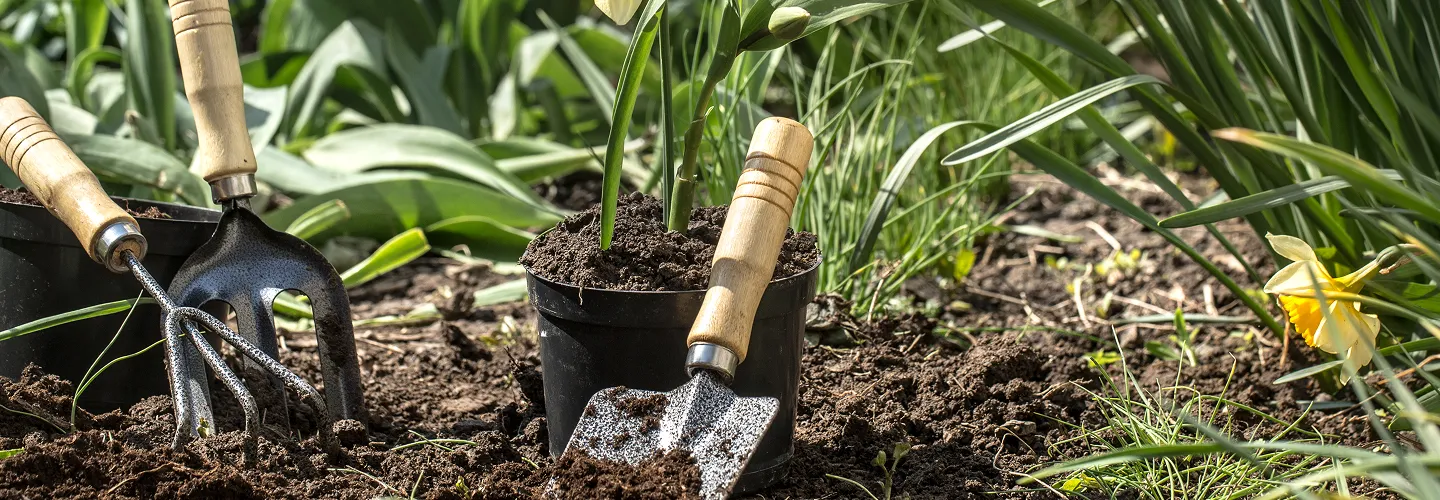
Jarrell Lawn Installation Services
Choose our expert lawn installation for a seamless, hassle-free transformation—enjoy a vibrant, healthy yard that boosts your home's beauty and value from day one.
Get a Free QuoteOur Jarrell Landscaping & Yard Care Services
When to Schedule Lawn Installation in Jarrell, Texas – Seasonal Guide
Choosing the right time for lawn installation in Jarrell, Texas is essential for achieving a healthy, resilient yard. The region’s climate, characterized by hot summers, mild winters, and variable rainfall, means that spring and early fall are generally the most favorable seasons for new sod or seed. These periods offer moderate temperatures and increased soil moisture, which help new grass establish strong roots before the intense summer heat or occasional winter frosts arrive. Neighborhoods near Jarrell High School and the Sonterra community often experience microclimates due to varying shade from mature oaks and pecans, as well as differences in soil composition ranging from sandy loam to heavier clay. Local environmental factors such as the average last frost date in early March, the risk of summer drought, and the prevalence of shaded lots all play a role in determining the best installation window. Homeowners should also consider municipal watering restrictions and soil preparation guidelines, which can be found on the Sudbury municipal website.
Local Factors to Consider for Lawn Installation in Jarrell
- Tree density and shade coverage, especially in established neighborhoods
- Soil type and drainage, which can vary between new developments and older areas
- Seasonal precipitation patterns and drought risk
- Terrain and slope, affecting water runoff and soil erosion
- Municipal restrictions on watering and landscaping
- Proximity to landmarks like Jarrell Memorial Park, which may influence microclimates
Benefits of Lawn Installation in Jarrell
Expert Landscaping Services
Customized Lawn Solutions
Efficient Project Completion
High-Quality Sod and Materials
Local Knowledge and Experience
Comprehensive Maintenance Support
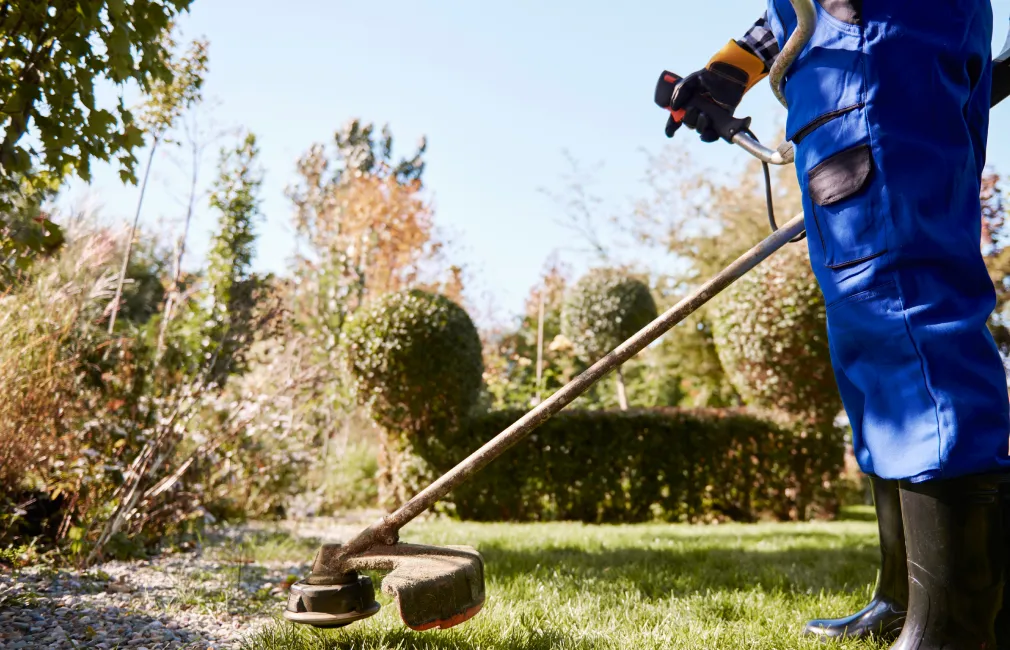
Jarrell Lawn Installation Types

Sod Installation
-
Hydroseeding
-
Artificial Turf Installation
-
Grass Plug Installation
-
Seed Lawn Establishment
-
Native Grass Installation
-
Erosion Control Lawns
Our Lawn Installation Process
Site Evaluation
Soil Preparation
Lawn Installation
Watering and Initial Care
Why Choose Jarrell Landscape Services
-
Jarrell Homeowners Trust Us
-
Expert Lawn Maintenance
-
Reliable Scheduling
-
Competitive Pricing
-
Professional Team
-
Satisfaction Guarantee
-
Personalized Service
Soil Series and Drainage Considerations for Lawn Installation in Jarrell
Lawn installation in Jarrell requires careful assessment of local soil conditions, as the area is predominantly characterized by Houston Black clay and Burleson clay series, both known for high shrink-swell capacity and poor drainage. These soils typically exhibit pH values ranging from 7.5 to 8.2 and can retain water after heavy rainfall, impacting root establishment. Prior to installation, it is recommended to:
- Conduct a soil test through Texas A&M AgriLife Extension (typical cost: $15-25)
- Incorporate 2-3 inches of compost tilled to a 6-inch depth to improve structure
- Apply gypsum to enhance drainage in compacted areas
- Maintain a minimum 1% slope away from structures for surface runoff For detailed soil mapping, consult the USDA Web Soil Survey. Coordination with municipal guidelines is essential for any grading or fill work.
City of Jarrell Department of Public Works
161 Town Center Blvd, Jarrell, TX 76537
Phone: (512) 746-4593
Official Website: City of Jarrell Department of Public Works
Seasonal Timing and Climate Zone Guidance for Jarrell Lawn Establishment
Jarrell is located in USDA Hardiness Zone 8b, with average annual minimum temperatures of 15-20°F and a warm-season growing period from mid-March through early November. Optimal sod installation occurs from April 1 to June 15 or September 1 to October 15, when soil temperatures are consistently above 60°F and rainfall is moderate. Key timing recommendations include:
- Spring seeding: April 1 - May 15 (soil temp 60-70°F)
- Fall seeding: September 1 - October 15 (soil temp 65-75°F)
- Avoid installation June-August due to heat stress and high evapotranspiration
- Irrigate newly installed lawns daily for 2-3 weeks, then reduce frequency Monitor local weather forecasts via the National Weather Service Austin/San Antonio Office to avoid installation during heavy rain events or drought advisories.
Municipal Coordination and Lawn Installation Permitting in Jarrell
All lawn installation projects in Jarrell must comply with city ordinances regarding grading, stormwater management, and equipment operation. Permitted hours for powered equipment are:
- Monday-Friday: 7:00 AM - 7:00 PM
- Saturday: 8:00 AM - 6:00 PM
- Sunday and holidays: Prohibited Any grading or fill exceeding 50 cubic yards requires a permit from the city, with a standard application fee of $50 and a review period of 5-10 business days. Sod and soil deliveries must not obstruct public rights-of-way. For projects near wetlands or drainage channels, maintain a 25-foot buffer and consult the city’s Environmental Commission for additional requirements.
City of Jarrell Department of Public Works
161 Town Center Blvd, Jarrell, TX 76537
Phone: (512) 746-4593
Official Website: City of Jarrell Department of Public Works
Austin Environmental Commission
301 W 2nd St, Austin, TX 78701
Phone: (512) 974-2200
Official Website: Austin Environmental Commission
Environmental Compliance: Stormwater and Buffer Zone Regulations in Jarrell
Lawn installation in Jarrell must adhere to stormwater management requirements under the Texas Water Code and the Clean Water Act. The city operates under an MS4 permit, prohibiting the discharge of soil, sod, or grass clippings into storm drains. Key compliance steps include:
- Maintain a 25-foot no-disturbance buffer from wetlands and streams
- Prohibit fertilizer and pesticide application within 50 feet of water bodies
- Use biodegradable erosion control blankets on slopes exceeding 5%
- Collect and dispose of sod scraps and soil in accordance with city waste guidelines Violations may result in fines up to $500 per incident. For further guidance, consult the Texas Commission on Environmental Quality and EPA Region 6.
Texas Commission on Environmental Quality
12100 Park 35 Circle, Austin, TX 78753
Phone: (512) 239-1000
Official Website: Texas Commission on Environmental Quality
Species Selection and Turf Recommendations for Jarrell’s Climate and Soils
Selecting appropriate turf species is critical for long-term lawn health in Jarrell’s clay-rich, alkaline soils and hot, dry summers. Recommended species and varieties include:
- Bermudagrass (Cynodon dactylon): ‘Tifway 419’ for full sun, drought tolerance
- Zoysiagrass (Zoysia japonica): ‘Palisades’ for moderate shade and traffic
- Buffalo grass (Bouteloua dactyloides): ‘Density’ for low-maintenance, native adaptation
- Avoid St. Augustinegrass in poorly drained areas due to root rot risk Spacing for sod rolls should be tight, with seams staggered and rolled for soil contact. Apply starter fertilizer at 1 lb nitrogen per 1,000 sq ft, but avoid phosphorus unless soil test indicates deficiency. For detailed recommendations, refer to Texas A&M AgriLife Extension and the USDA Plant Hardiness Zone Map.
What Neighborhoods Do We Serve Throughout Jarrell, TX?
- Sonterra: Features expansive clay soils with moderate drainage and newer residential development, requiring soil amendment and careful grading for lawn installation.
- Jarrell Town Center: Urban core with compacted soils and smaller lots; access for equipment may be limited, and compliance with city noise ordinances is essential.
- Rancho Del Lago: Larger lots with a mix of native prairie and clay soils; proximity to drainage channels necessitates strict buffer zone adherence.
- Eastwood: Characterized by mature trees and partial shade, requiring shade-tolerant turf species and attention to root competition.
- Stonebridge Crossing: Newer subdivision with engineered soils and HOA landscaping standards, including specific turf height and maintenance requirements.
- Western Ridge: Located near floodplain areas, presenting challenges with periodic saturation and the need for erosion control measures.
- Meadow Creek: Transitional area with both established and new homes, variable soil compaction, and a mix of sun and shade conditions impacting turf selection.