
Jarrell Lawn Mowing Services
Choose our lawn mowing service for reliable, professional results that keep your yard looking its best all season long. We combine local expertise, attention to detail, and a commitment to customer satisfaction to ensure your lawn stands out in the neighborhood.
Get a Free QuoteOur Jarrell Landscaping & Yard Care Services
When to Schedule Lawn Mowing in Jarrell, Texas – Seasonal Guide
In Jarrell, Texas, the timing of your lawn mowing routine is crucial for maintaining a healthy, vibrant yard. The region’s climate features hot summers, mild winters, and variable rainfall, which means the optimal mowing schedule shifts throughout the year. Typically, the mowing season begins in early spring, just after the last frost date, and continues through late fall. Neighborhoods near Jarrell High School and the Sonterra subdivision often experience microclimates due to varying shade coverage and soil types, so it’s important to tailor your mowing frequency accordingly.
Local environmental factors such as drought risk, humidity, and the prevalence of clay-heavy soils can impact grass growth and mowing needs. For example, during periods of high humidity or after significant rainfall, lawns in areas like the Rolling Meadows community may require more frequent mowing. Additionally, municipal guidelines and resources like the Sudbury town website can provide updates on water restrictions or seasonal recommendations that affect lawn care schedules.
Local Factors to Consider for Lawn Mowing in Jarrell
- Tree density and shade coverage (e.g., mature oaks in the Sonterra area)
- Soil type, especially clay-heavy or sandy soils
- Terrain and slope, which can affect mowing safety and grass growth
- Precipitation patterns and drought risk
- Frost dates and seasonal temperature shifts
- Municipal restrictions or neighborhood association guidelines
Benefits of Lawn Mowing in Jarrell
Professional Lawn Care Experts
Consistent Scheduling
Enhanced Curb Appeal
Time-Saving Services
Eco-Friendly Practices
Reliable Local Support
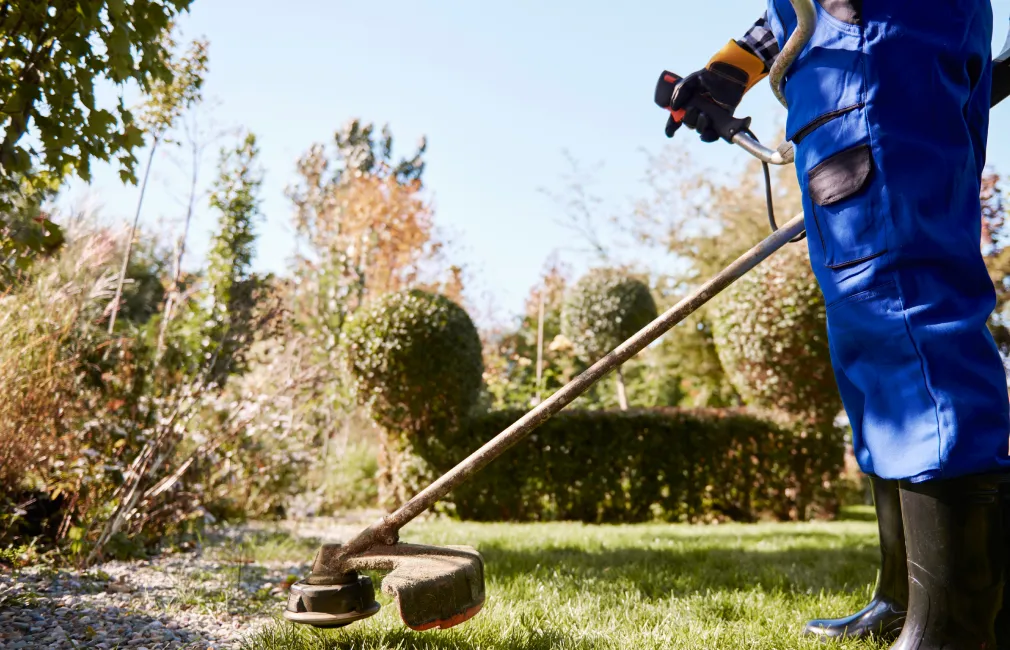
Jarrell Lawn Mowing Types

Residential Lawn Mowing
-
Commercial Lawn Mowing
-
Zero-Turn Mowing
-
Push Mower Services
-
Riding Mower Services
-
Trimming and Edging
-
Seasonal Lawn Maintenance
Our Lawn Mowing Process
Site Evaluation
Lawn Preparation
Mowing Execution
Edging and Trimming
Cleanup
Why Choose Jarrell Landscape Services
-
Jarrell Homeowners Trust Us
-
Expert Lawn Maintenance
-
Reliable Scheduling
-
Competitive Pricing
-
Professional Team
-
Satisfaction Guarantee
-
Personalized Service
Soil Series and Drainage Considerations for Lawn Mowing in Jarrell
Jarrell’s predominant soils, including Houston Black clay and Burleson clay loam, present unique challenges for lawn mowing and turf management. These Vertisols are characterized by high clay content, pH levels typically ranging from 7.5 to 8.2, and poor drainage, especially after heavy rainfall. Core aeration to a depth of 2-3 inches is recommended every 2-3 years to alleviate compaction and improve root growth. Soil testing through the Texas A&M AgriLife Extension is advised, with typical test costs ranging from $15 to $25. Amendments such as compost (2-3 inches tilled to 6-inch depth) and lime or sulfur may be necessary to adjust pH. For detailed soil mapping, consult the USDA Web Soil Survey. Proper soil management ensures healthy turf and reduces runoff into local waterways.
Equipment Operation Hours and Noise Ordinance Compliance in Jarrell
Lawn mowing in Jarrell is subject to municipal noise ordinances to protect neighborhood quality of life. Equipment operation is typically permitted during the following hours:
- Monday-Friday: 7:00 AM - 7:00 PM
- Saturday: 8:00 AM - 6:00 PM
- Sunday and holidays: Prohibited Commercial mowers must maintain mufflers in working condition, with noise levels not exceeding 85 decibels at property lines. Operators are required to wear ANSI Z87.1 safety glasses and hearing protection for equipment producing noise above 85 dB. For questions regarding enforcement or to report violations, contact:
Department of Public Works
Main Street, Jarrell, TX 76537
Phone: (512) 746-4593
Official Website: Department of Public Works
Compliance with these standards is essential for both residential and commercial mowing activities.
Seasonal Timing and Turf Management for Jarrell’s Climate Zone
Jarrell is located in USDA Hardiness Zone 8b, with average annual minimum temperatures of 15-20°F. The optimal mowing season extends from March 15 to November 15, with peak growth occurring April through June and September through October. Mowing frequency should be weekly during active growth, reducing to biweekly during summer dormancy. Recommended mowing heights for common turf species are:
- Bermuda grass: 1.5-2 inches
- St. Augustine grass: 2.5-3 inches
- Zoysia grass: 1-2 inches Avoid mowing during periods of drought stress or immediately after heavy rainfall to prevent soil compaction. For weather updates and frost advisories, consult the National Weather Service Austin/San Antonio Office. Adhering to seasonal guidelines promotes turf health and minimizes environmental impact.
Yard Waste Collection and Clipping Disposal Protocols in Jarrell
Proper disposal of grass clippings and yard waste is regulated to protect local water quality and comply with MS4 stormwater permit requirements under the Clean Water Act. In Jarrell, yard waste collection is scheduled weekly on Thursdays from April through November. Accepted materials include grass clippings, leaves, and brush under 4 feet in length. Residents must use biodegradable bags or reusable bins (32-gallon maximum); plastic bags and branches over 4 inches in diameter are prohibited. Clippings must not be deposited in storm drains or waterways. For collection schedules and program details, contact:
Department of Public Works
Main Street, Jarrell, TX 76537
Phone: (512) 746-4593
Official Website: Department of Public Works
These protocols help maintain compliance with federal and state environmental regulations.
Environmental Compliance and Buffer Zone Requirements for Jarrell Lawns
Lawn mowing near Jarrell’s wetlands, streams, and protected areas must adhere to buffer zone regulations to prevent nutrient runoff and habitat disturbance. A standard 25-foot no-disturbance buffer is required from the edge of wetlands and perennial streams. Application of fertilizers or pesticides is prohibited within 50 feet of water bodies. The Texas Commission on Environmental Quality (TCEQ) enforces MS4 stormwater regulations, and violations may result in fines. For guidance on buffer delineation and compliance, consult:
Texas Commission on Environmental Quality (TCEQ)
12100 Park 35 Circle, Austin, TX 78753
Phone: (512) 239-1000
Official Website: Texas Commission on Environmental Quality (TCEQ)
Maintaining these buffers is critical for protecting local water resources and meeting Texas Water Code requirements.
What Neighborhoods Do We Serve Throughout Jarrell, TX?
- Sonterra: Features newer developments with compacted fill soils and moderate drainage; mowing schedules must account for HOA landscaping standards and smaller lot sizes.
- Downtown Jarrell: Characterized by mature trees, older infrastructure, and narrow streets, requiring careful equipment access and adherence to noise ordinances.
- Rancho Del Lago: Larger lots with expansive turf areas and proximity to seasonal creeks; buffer zone compliance is essential near water features.
- Jarrell Heights: Elevated terrain with moderate slopes and mixed soil types; mowing must address runoff control and safe equipment operation on inclines.
- Eastwood Estates: Located near conservation areas, with requirements for 25-foot wetland buffers and restrictions on chemical applications.
- Stonebridge Crossing: Newer subdivision with heavy clay soils and frequent drainage issues; core aeration and soil amendment are often necessary for healthy turf.
- Meadow Creek: Floodplain location with periodic standing water; mowing schedules may be adjusted during wet periods to prevent soil compaction and turf damage.